Introduction
Four-side printing sounds easy, but on EVA bags it often goes wrong. Edges drift, ink lifts, and buyers notice.
In this guide, we use an EVA bag printer workflow. You will learn mapping, fixturing, curing, and QC gates, so you can deliver clean, matched prints on all sides.
The Core Workflow for Four-Sided UV Printing Using an EVA Bag Printer
Define four sides and build a print map
Start by defining “four sides” in plain terms. Most buyers mean front, back, left panel, and right panel. Some also expect handles, but that should be confirmed as a separate area before you quote. Next, create a simple print map. It should show each face, seam lines, ribs, and safe zones. This map becomes the shared language for sales, operators, and the buyer.
A good map also sets seam rules. You can allow a clean break at seams, or hide it in darker areas. If the buyer wants a wrap-like look, plan a small edge overlap so it appears continuous after printing in steps. Finally, set a side order. Many teams print the largest face first, then move to adjacent sides. It helps keep a stable reference for each next side.
Build repeatable fixturing and a clear zero-point
Fixturing often matters more than ink. EVA can deform under clamps and spring back, which changes head distance and dot size. Use a jig that controls position, start point, and bag shape. For flatbed printing, a simple frame can work. For indexing or rotation, hard stops are critical. Add a clear zero-point so every side references the same origin.
Inner supports also matter. The bag body can collapse and shift during printing. Insert a clean support inside the bag to keep panels stable. It can be foam, a rigid plate, or a custom mold, but it should not leave marks. Once the zero-point is locked, the EVA bag printer becomes repeatable across shifts, not dependent on one operator.
Choose rotation or indexing for side changes
There are two main approaches: rotation and indexing. Rotation works when the bag can be held securely and turned in a controlled way. It reduces handling because the bag stays mounted. Indexing works when the bag is not truly cylindrical or the panels are easier to print flat. You print one side, rotate by a fixed step, then print the next. The key is to make each step measurable, not “by eye.”
For many EVA beach bags, step-and-repeat indexing is more realistic because seams and ribs interrupt smooth rotation. If you use rotation, keep speed stable to avoid banding and edge mismatch. In both cases, avoid touching fresh ink between sides. That is why cure control and quick checks matter.
Use a practical layer stack for EVA
Layer stack is a durability tool. EVA often comes in strong colors. Without white, CMYK can look dull or shift across batches. A white underlayer improves contrast and keeps brand colors more consistent. Varnish adds protection and can improve the premium feel, especially on high-contact sides where scuffs are common.
Not every job needs every layer. Light EVA and simple logos may run fine in CMYK only. Colored EVA usually needs white. Outdoor use and heavy handling often justify varnish. Keep film build controlled, because thick layers can crack on flex zones. Thin, balanced layers usually survive better on EVA.
Balance curing for flexibility and handling
Curing changes flexibility and adhesion. Under-cure can leave soft ink that smears during packing. Over-cure can make the film brittle, then it cracks when the bag folds. Since bags get squeezed during shipping, you need a cure profile that holds up under real pressure.
Tune curing using simple tests. Print a small patch, cure it, then do quick rub and bend checks. If it smears, increase cure or reduce ink load. If it cracks, reduce cure intensity or reduce film thickness. It is best to tune on the buyer’s actual bag sample, not a random EVA sheet.
Add QC gates between sides
Four-sided work needs checkpoints. If side one fails adhesion, printing side two wastes time and material. After side one cures, do a quick dry rub and a light bend. If it lifts or smears, stop and adjust before continuing. After side two, repeat a shorter check to catch drift early.
These gates also protect alignment. After each side, confirm registration marks or reference edges. If drift starts, correct it before it becomes visible on the final bag. B2B buyers care about consistency more than raw speed, so QC gates help you ship cleaner orders and reduce rework.
Tip:Build a one-page four-side SOP, and require a quick gate check after each side.
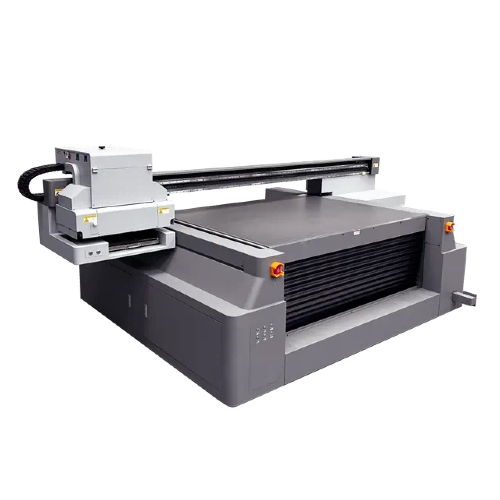
Choose the Right EVA Bag Printer Setup for Four-Sided Jobs
Flatbed vs rotating platforms
Flatbed printers handle many EVA bags well. They suit flat panels, thick items, and fast sampling. The drawback is handling. Operators must reposition the bag for each side. That raises drift risk and labor load. Rotating platforms reduce touches. They keep the bag mounted and turn it in measured steps. This often improves repeat accuracy.
Choose based on bag geometry. If the bag wobbles on rotation, flatbed indexing may still win. For frequent four-side orders, invest in fixtures first. A strong EVA bag printer setup is half machine, half jig.
Positioning methods for repeat accuracy
Four sides look “premium” only when edges line up. Registration makes that possible. Camera positioning reduces manual errors. Simple marks also help. Print a tiny mark in a hidden zone on side one. Use it to align side two and side three. It is cheap and effective.
Discipline matters too. Keep the same start point and insert support. Keep clamp pressure consistent. Save presets and fixture notes for reorders. It helps you match the look across batches.
Ink choice and film behavior on EVA
EVA needs flex and abrasion control. Soft ink profiles flex better and cut crack risk. Hard profiles resist scuffs better on rigid items. For beach bags, flex stress is real, so flexibility usually matters more. You can still protect high-rub zones using varnish. Keep heavy ink build away from fold lines. Put 3D effects in low-flex areas. This keeps the finish premium, but reduces cracks.
Scaling four-sided production
Four-side jobs often bottleneck on handling. A multi-station flow helps. One station prints. One loads. One unloads and checks. It cuts idle time and reduces operator rush. Track cycle time per side, cure time, and handling time. Then plan staffing and jig count. Small jig gains can save hours across large orders.
Note:If alignment breaks at speed, slow down and upgrade the jig before you chase faster settings.
File Prep and Color Control for Four-Sided EVA Beach Bags
Separate art by side (templates, safe zones, and seam-aware layout)
File prep should mirror the print map. We create one template per side. Each template includes safe zones and seam lines. It prevents “pretty on screen, bad on bag” results. It also makes approvals easier for buyers. They can see each side clearly. We can also include a combined mockup, but side files are the production truth.
Safe zones matter for EVA texture. Raised ribs can distort thin text. Seams can break small icons. So we keep critical elements away from them. We also label side order in the file names. It reduces operator confusion. A clear file system is part of EEAT. It shows the process is controlled, not random.
Match edges across panels (continuity lines, overlaps, and “wrap illusion” tricks)
Four-sided designs often aim for continuity. But EVA bags have seams. So true wraps may not be possible. Instead, we create a wrap illusion. We extend colors to edges. We use overlaps of 1–2 mm on both sides. Then small drift does not create a white gap. It keeps the design looking continuous.
Continuity also needs consistent scaling. If one side is stretched in the file, edges will not meet. Use consistent templates and locked proportions. If the buyer wants patterns, use repeatable tiles. Tiles hide seam breaks better than large images. They also reduce visible mismatch from small alignment shifts.
White ink and varnish masks (how to keep color consistent on colored EVA)
White masks are key for color control. If you print CMYK direct on colored EVA, colors shift. A white underlayer isolates the artwork. It improves brand color stability. For spot colors, white is often essential. It also reduces the need to push high ink density. That can help flexibility.
Varnish masks add both style and protection. Spot varnish can highlight logos. Full varnish can protect large areas. But varnish adds film thickness. So we should avoid thick varnish on fold lines. We can keep it lighter there. Good masks balance the look and the durability.
Proofing checklist for B2B orders (approval mockups that prevent disputes)
B2B disputes often start in the proof. So we build a simple proofing checklist. Confirm side scope. Confirm seam breaks. Confirm print area size. Confirm color expectations on EVA color. Confirm durability expectation, like “no peel after rub test.” Then get written approval.
A smart step is a physical sample. Even one sample can prevent a big argument later. It shows real texture and real sheen. If the buyer cannot get a sample, provide photos under normal light. Avoid over-edited images. Clear proofing builds trust and reduces returns.
Proofing and production table
Item to confirm |
Why it matters |
Best practice |
Four-side scope |
Prevents hidden “extra sides” |
Map the sides and label them |
Seam break rules |
Avoids “wrap” disputes |
Show seam lines on proofs |
Side order |
Controls alignment drift |
Fix an order and keep it |
White ink need |
Stabilizes brand colors |
Test on real EVA color |
Varnish coverage |
Protects and changes look |
Use masks and avoid fold zones |
QC test target |
Defines pass/fail clearly |
Agree on rub and bend checks |
Tip:Ask buyers to approve a side-by-side proof set, not only a single mockup.
Troubleshooting and Quality Tests for Four-Sided UV Prints on EVA
Misalignment between sides (root causes and fast fixes)
Misalignment usually comes from movement. The bag shifts in the jig. The insert compresses unevenly. The operator sets the start point differently each time. Fast fixes start at the jig. Add hard stops. Add a clear zero-point mark. Reduce clamp variation. Then slow down the reposition step. Rushing causes drift.
If you use rotation, check the step angle. If it is not consistent, the edges will not match. If you use camera positioning, clean the markers. Dirty markers cause false reads. Also confirm the file templates match the real print area. Sometimes misalignment is a file scale problem, not a machine problem.
Peeling and edge lift (cleaning, pretreatment, film thickness, cure tuning)
Peeling often shows first at edges. Edges get rubbed and flexed more. If you see edge lift, start with cleaning. EVA can carry oils and dust. Then check pretreatment needs. Smooth EVA often needs primer for stable adhesion. Next, check film thickness. Thick films lift easier at edges. Use balanced layers.
Cure tuning matters too. Under-cure can leave weak adhesion. Over-cure can make the film brittle and prone to edge crack. Use a small test patch and run rub and tape pull checks. If it fails, adjust one variable and retest. Do not change five settings at once. That hides the real cause.
Cracking on folds (reduce brittleness, adjust cure/ink build, placement changes)
Cracking is a flex problem. It can come from hard ink behavior or too much cure. It can also come from thick varnish on a fold line. Start by placing the design away from fold zones. If the buyer insists on that area, reduce film build there. Use lighter varnish or spot varnish only on safe zones.
Then tune cure for flexibility. Reduce intensity or exposure time. Adjust passes to avoid a thick film. If your system supports soft ink profiles, use them for EVA. Also run a bend test before production. A crack found early is cheap. A crack found after packing is expensive.
Simple durability tests buyers trust (rub, bend, tape pull, water exposure)
Buyers trust simple tests when they are repeatable. We can use a dry rub test for scuffs. We can use a bend test for flex. We can use tape pull for adhesion. For beach bags, a water exposure test helps. Lightly wet the area, dry it, then rub again. It simulates real use.
Record the test method and results. Share it in a short QC note to the buyer if needed. It builds confidence and reduces complaints. You do not need lab numbers. You need consistent shop checks that match real handling. That is how four-sided printing becomes a predictable service, not a gamble.
Note:Agree on a simple pass/fail test plan before production, so durability stays objective.
Cost, Speed, and ROI for Four-Sided Printing
What really drives cycle time
Cycle time is more than printing. It also includes loading, jigging, indexing, curing, and quick checks. Four sides multiply handling, so small delays grow fast. A simple estimate works well:
● Time per side
● Plus cure and a quick QC gate
● Multiply by four sides
● Add setup and first-article buffer
Rework is the silent cost. If side three shifts, sides one and two become waste. QC gates cut that risk, so your quote stays realistic and your delivery stays stable.
The main cost levers
Costs come from materials and mistakes. White ink improves color on colored EVA. Varnish helps scuff resistance and “premium” feel. Fixtures cost upfront, but they lower labor and rejects. Reject rate is the biggest margin killer, because it turns bags, ink, and time into scrap. A smart cost plan spends first on reject control, not on chasing top speed.
Pricing four sides versus one side
Four sides look more premium and sell better in photos. They also take more handling and more QC. Pricing should reflect the added value and the added risk. Many shops price per side, then offer a bundle rate for four sides. Add options for white and varnish. Buyers like clear choices, and they help you protect margin.
Quote checklist before you promise results
● Confirm EVA texture and bag color
● Confirm four-side scope and seam rules
● Confirm if white and varnish are required
● Confirm durability target and test method
● Confirm artwork detail risk and print area
● Confirm packing pressure and curing wait time
Tip:Run a small pilot lot, then lock settings into an SOP for repeat orders.
Conclusion
Four-sided EVA printing works best when we map each face, lock a zero-point jig, and run quick QC gates between sides. A balanced stack, strong cleaning, and tuned curing help prevent peeling, cracking, and edge drift.
Dongguan Shenghuang Science And Industry Co., Ltd. supports this kind of repeatable production. Their UV printers handle thick items, offer flexible ink options, and can add precision positioning, plus responsive technical service to help teams scale stable EVA bag orders.
FAQ
Q: What does “four-sided” mean for EVA beach bags?
A: It usually means printing front, back, left, and right panels, using an EVA bag printer plan that respects seams and safe zones.
Q: How do I keep four sides aligned on EVA?
A: Use a fixed jig and one zero-point, then index each side in measured steps on your EVA bag printer.
Q: Why does ink peel during four-sided jobs?
A: Poor cleaning, low adhesion EVA, or weak curing can cause lift, so test and adjust EVA bag printer settings early.
Q: Do I need white ink and varnish for EVA bags?
A: Often yes, because white stabilizes color and varnish boosts scuff resistance on EVA bag printer productions.
Q: What drives cost most in four-sided printing?
A: Handling time, fixtures, white/varnish layers, and reject rate impact EVA bag printer job cost more than speed alone.


