Introduction
Lenticular printing has become a popular method for creating stunning, dynamic visuals. From marketing to collectibles, its applications are growing. However, choosing the right lenticular printing machine can be challenging due to varying prices.
In this article, we’ll explore the cost factors behind lenticular printing machines. You will learn how to evaluate the best option for your needs and budget.
Understanding Lenticular Printing Machines
What is a lenticular printing machine?
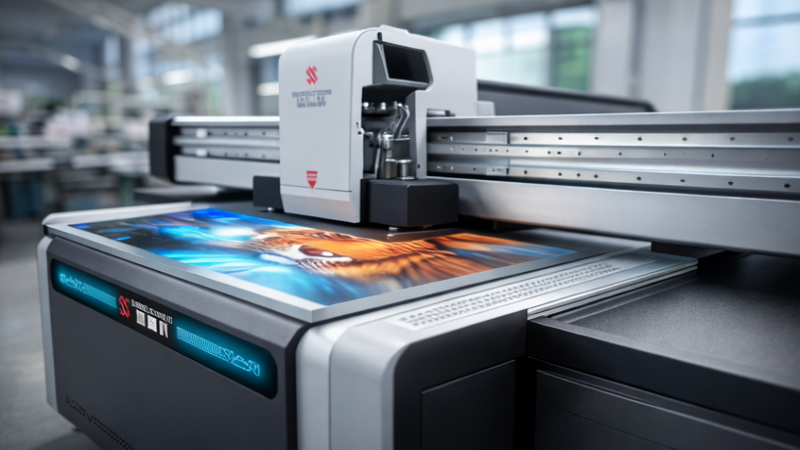
A lenticular printing machine is a specialized type of printer used to create 3D, animated, or flipping images. This technology involves the use of lenticular plastic sheets that manipulate light to display different images depending on the viewing angle. Unlike traditional printing techniques, lenticular printing requires specific machines designed to handle the unique demands of this multi-layered, high-precision printing process. These machines use advanced UV printing methods or other digital technologies to interlace multiple images onto a single surface, allowing for the creation of dynamic visual effects that change as the viewer shifts perspective.
Key components involved in lenticular printing
The primary components involved in lenticular printing are the lenticular plastic sheet and interlaced images. The lenticular plastic sheet is a key element; it consists of rows of cylindrical lenses that focus and direct light in specific ways. These lenses are typically made from clear plastic and are arranged in a parallel fashion. The interlaced images, which are typically processed with specialized lenticular software, are printed beneath the lens sheet. The images are split into strips that align with the cylindrical lenses, creating the illusion of movement, depth, or transition effects when viewed from different angles.
1. Lenticular plastic sheet: This sheet features tiny lenses that magnify parts of an image, allowing for effects like 3D depth or motion.
2. Interlaced images: These are images that have been digitally altered to create the flip, zoom, or animation effects. Multiple versions of the image are divided into strips, then arranged so that each strip corresponds to a lens in the lenticular sheet.
3. Printing technology: UV printing is most commonly used for lenticular printing, offering durability and vibrant colors that are necessary for high-quality results.
The role of lenticular printing machines in creating 3D, flip, and animation effects
Lenticular printing machines play a critical role in the creation of various visual effects that are central to lenticular prints. These effects include 3D depth, flipping between images, and animation sequences. The machines work by printing interlaced images directly onto the back of a lenticular lens, ensuring that the images align perfectly with the lenses to create the desired visual effects.
1. 3D effects: This effect gives the illusion of depth by displaying slightly different views of an image to each eye, simulating a 3D experience. This is ideal for applications where a more immersive visual is required, such as in advertising or product packaging.
2. Flip effects: In flip printing, the lenticular lens alternates between two or more images depending on the angle at which the viewer is observing the print. This effect is often used for promotional materials or novelty items.
3. Animation effects: Animation in lenticular prints is achieved by sequencing images in a way that, as the viewer shifts their position, the images appear to move or transform, much like a short video.
Factors Affecting the Cost of Lenticular Printing Machines
Production Capacity: How Machine Speed and Volume Impact Cost
The production capacity of a lenticular printing machine plays a significant role in determining its cost. Machines designed for higher output volumes tend to be more expensive due to the enhanced speed and efficiency they offer. These high-capacity machines are equipped to handle large-scale production runs, often involving faster print speeds, automated systems, and advanced technologies to ensure consistent quality over extended periods of use.
For example, machines intended for mass production require specialized components, such as robust print heads and fast drying or curing systems, which add to their overall cost. In contrast, smaller machines designed for prototyping or low-volume runs typically feature slower printing speeds and are priced accordingly. The higher the production volume that a machine can handle, the more it is likely to cost.
Machine Type | Production Capacity | Average Price Range (USD) | Suitable For |
Entry-Level / Desktop | Low (Slow speed, small volume) | $2,000 – $8,000 | Startups, small studios, prototyping |
Mid-Range / Prosumer | Medium (Moderate speed, moderate volume) | $10,000 – $30,000 | Established print shops, small businesses |
Industrial-Grade | High (High speed, large volume) | $50,000 – $150,000+ | Large-scale production, high-volume environments |
Print Quality and Resolution: The Relationship Between High-Resolution Capabilities and Machine Price
Lenticular printing machines vary in their ability to produce high-quality prints, which directly influences their price. Machines with higher print resolution capabilities are designed to produce sharper, more detailed images, which are crucial for achieving the desired effects, such as 3D depth, flip, or animation.
The resolution of a lenticular print depends on several factors, including the number of dots per inch (DPI) the machine can achieve and the precision with which it aligns the interlaced images. Higher-resolution machines are typically more expensive because they require advanced technology, including high-precision print heads, enhanced color management systems, and improved alignment mechanisms. As a result, businesses that require fine detail for professional applications will need to invest in these high-end models.
Resolution Capability | Average Price Range (USD) | Suitable For | Key Features |
Low Resolution (150 DPI) | $2,000 – $8,000 | Hobbyists, small projects | Basic 3D effects, limited detail |
Medium Resolution (300 DPI) | $10,000 – $30,000 | Small to medium print shops | Enhanced details, better color output |
High Resolution (600+ DPI) | $50,000 – $150,000+ | High-end commercial printing | Exceptional clarity, sharp image quality |
Machine Format and Size: Differences Between Small-Scale vs. Large-Format Printers
The format and size of a lenticular printing machine significantly affect its price. Smaller, desktop machines with limited print size are ideal for small studios or personal projects, offering a cost-effective solution for low-volume printing. These compact machines are often manually operated and designed for basic lenticular effects like flip or simple 3D visuals.
On the other hand, large-format printers capable of producing high-resolution lenticular prints on bigger sheets are more expensive. These machines are built to handle larger print areas, making them suitable for commercial applications where scalability is essential. Large-format machines often come with advanced features, such as roll-to-roll printing capabilities, automatic media handling, and enhanced color calibration systems, contributing to their higher price tag.
Machine Size | Print Size Capability | Average Price Range (USD) | Features |
Small-Scale | Up to A3/A2 size | $2,000 – $8,000 | Manual operation, basic effects |
Medium-Scale | Up to A1 size | $10,000 – $30,000 | Auto-alignment, moderate speed |
Large-Scale | Larger than A1, roll-to-roll | $50,000 – $150,000+ | Full automation, high-speed |
Automation and Advanced Features: The Cost Difference Between Manual vs. Automated Machines
Automation is another critical factor influencing the cost of lenticular printing machines. Manual machines, which require more hands-on involvement and operator skill, are typically less expensive but may lack the efficiency and precision of automated models. In contrast, automated lenticular printing machines can handle more complex tasks, such as automatic alignment, material feeding, and color calibration, which increase their price.
The inclusion of advanced features, such as in-line finishing systems, automatic printhead cleaning, or integrated software for precise image interlacing, further raises the price of a machine. These automated functions allow for greater consistency and speed in production, making them ideal for businesses that need to meet high-demand printing requirements. Therefore, while manual machines may be sufficient for smaller operations, larger printing businesses often opt for automated machines to maximize efficiency and output.
Feature | Manual Machines | Automated Machines | Price Range (USD) |
Material Feeding | Manual | Automatic | $2,000 – $8,000 (Manual) |
Alignment Systems | Manual or Basic | Advanced Auto-alignment | $10,000 – $30,000 (Auto) |
Printhead Cleaning | Manual Cleaning Required | Automated Cleaning System | $50,000 – $150,000+ (Auto) |
Software Integration | Limited or Basic | Advanced Software Included | $50,000 – $150,000+ (Auto) |
Price Ranges of Lenticular Printing Machines
Entry-Level / Desktop Machines: Cost Range and Suitable for Startups, Hobbyists, and Small Studios
Entry-level or desktop lenticular printing machines are the most affordable option in the market, typically ranging from $2,000 to $8,000. These machines are ideal for small studios, hobbyists, or startups that are just beginning to explore lenticular printing. While they offer basic functionality, they are capable of producing simple lenticular effects such as basic 3D, flip, or zoom images.
These machines are usually compact, designed for low-volume production, and often require manual operation. As a result, they lack some of the advanced features found in higher-end models, such as automatic alignment or high-speed printing. However, they still offer the potential to create high-quality lenticular prints within a smaller scale. Entry-level machines typically handle smaller print sizes and are better suited for prototyping or one-off projects.
Mid-Range / Prosumer Models: Features and Pricing, Ideal for Established Businesses
Mid-range or prosumer models offer a significant step up in terms of capabilities and price. These machines generally cost between $10,000 and $30,000 and are designed for small to medium-sized businesses or established print shops looking to produce higher volumes of lenticular prints with better speed and efficiency.
Prosumer models often come equipped with automatic alignment systems, faster printing speeds, and improved print resolution, making them suitable for producing more complex lenticular effects like animations and high-definition 3D images. These machines typically feature larger print areas than entry-level models and can handle medium-format materials. While they are still accessible to smaller businesses, they provide a much more professional output, making them suitable for those transitioning into larger-scale production. They may also support advanced software for image interlacing, helping users to create more intricate visual effects.
Industrial-Grade Machines: High-End Systems for Commercial Use and Mass Production
Industrial-grade lenticular printing machines represent the high-end of the market, with prices ranging from $50,000 to $150,000+. These machines are built for commercial use, offering the speed, efficiency, and advanced features required for mass production. They are designed to handle high-volume production runs, making them ideal for large businesses or commercial printing operations that need to produce large quantities of lenticular prints quickly and at high quality.
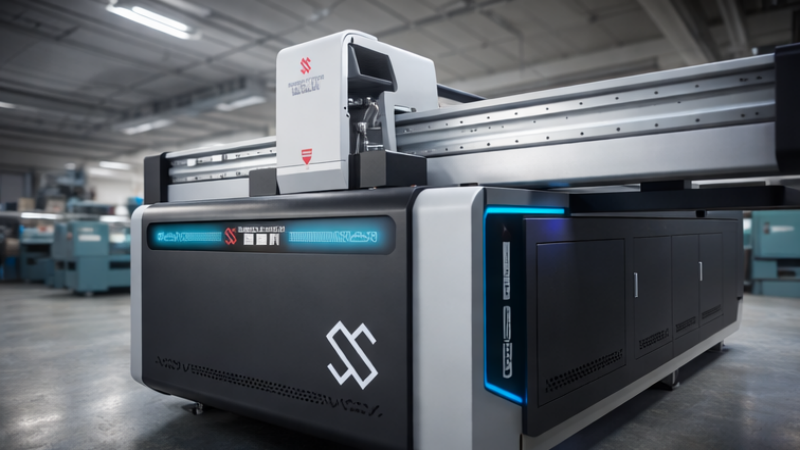
Industrial-grade machines are equipped with state-of-the-art technologies, including roll-to-roll printing capabilities, full automation for alignment and material handling, and advanced color calibration systems. These machines can handle large-format materials, producing high-resolution prints with exceptional detail and clarity. They are perfect for creating intricate lenticular effects, including 3D, flip, animation, and morphing effects at a high speed, making them the go-to choice for businesses involved in large-scale, high-quality lenticular print production.
Additional Costs Beyond the Machine Price
Consumables: Costs of Lenticular Plastic Sheets, UV Inks, and Other Materials
When considering the total cost of a lenticular printing machine, it's important to account for the ongoing consumable costs. Key consumables include lenticular plastic sheets, UV inks, and other materials necessary for production. Lenticular plastic sheets, used to create the dynamic visual effects, can be costly and vary based on factors like material quality and lens density (LPI).
UV inks, specifically designed for lenticular printing, offer fast curing under UV light, ensuring vibrant and durable prints. These inks are typically more expensive than standard inks and are essential for producing high-quality results. Additional materials, such as cleaning supplies for printheads and finishing films, should also be factored in when calculating overall expenses.
Key Consumables to Consider:
● Lenticular Plastic Sheets: Vary in cost based on quality and lens density.
● UV Inks: Specially formulated for lenticular prints, more expensive than traditional inks.
● Additional Materials: Cleaning supplies, lamination films, and other finishing materials.
Maintenance: Service Contracts, Potential Repairs, and Printhead Replacement Costs
Maintenance costs are another important factor in the overall cost of ownership. Over time, certain parts of the lenticular printing machine, particularly the printheads, will require replacement or repair. Printhead replacement can be a substantial cost, especially for high-end models. Additionally, businesses often opt for service contracts to cover routine maintenance and unexpected repairs, which help minimize downtime.
Maintenance Considerations:
● Printhead Replacement: Regular maintenance is essential to avoid poor print quality.
● Service Contracts: These can cover routine maintenance and unexpected repairs but come with additional costs.
Software: Specialized Lenticular Software and Licensing Fees
Lenticular printing requires specialized software for tasks like image interlacing, alignment, and creating the desired visual effects. This software, which may be proprietary or third-party, comes with its own set of costs, including licensing fees and updates. While some machines include software with the purchase, others may require a separate software package, which can range from a few hundred to several thousand dollars, depending on the functionality required.
Software Considerations:
● Software Licenses: Often required for advanced image manipulation and interlacing.
● Updates and Plugins: Additional costs for software updates or specialized plugins.
Training: Cost of Employee Training for Proper Operation of Complex Systems
Proper training is critical for ensuring that employees can efficiently operate and maintain lenticular printing machines. While some manufacturers provide basic training with the purchase, additional training may be required, especially for more complex or automated models. Training costs vary based on the complexity of the machine and whether it is provided onsite or through third-party services.
Training Costs:
● Basic Training: Often included with machine purchase, but may not cover advanced features.
● Additional Training: Costs for off-site sessions or third-party trainers to ensure proper machine operation.
How to Choose the Right Lenticular Printing Machine for Your Needs
Budget Considerations: Balancing Price with Required Machine Features
When choosing a lenticular printing machine, it’s important to balance price with features. Entry-level models ($2,000–$8,000) are suitable for small studios or hobbyists with basic effects like 3D or flip. Mid-range models ($10,000–$30,000) offer better speed, resolution, and automation for small to medium businesses. Industrial-grade machines ($50,000–$150,000) are designed for high-volume commercial use with advanced features like roll-to-roll printing and full automation.
Intended Application: Choosing Based on 3D, Flip, Animation Effects, etc.
The intended application of your lenticular prints will significantly impact your machine choice. If you are only producing basic 3D effects or simple flip images, an entry-level machine may suffice. However, for businesses that need more complex effects like animation or high-definition 3D prints, investing in mid-range or industrial-grade models is necessary. These higher-end machines offer greater print resolution, precision alignment, and faster speeds, essential for producing sophisticated effects at scale.
● Entry-Level: Basic 3D and flip effects.
● Mid-Range: Enhanced 3D, flip, and animation effects.
● Industrial-Grade: High-definition 3D, complex animations, and large-format prints.
Scalability: How Machine Choice Impacts Long-Term Growth and Production Needs
As your business grows, your printing needs may expand. Entry-level machines may be perfect for small-scale, short-term projects, but they often lack the speed and capacity needed for high-volume production. Mid-range models offer moderate scalability, with higher print speeds and larger formats. Industrial-grade machines, while more expensive, are designed for long-term growth, handling large quantities of prints, higher resolution, and more advanced effects.
● Entry-Level: Limited scalability for small projects.
● Mid-Range: Suitable for moderate growth and medium-volume printing.
● Industrial-Grade: High scalability for large-scale, commercial production.
Evaluating Long-Term Investment and ROI of Lenticular Printing Machines
Cost vs. Output: How Machine Cost Correlates with the Volume of Prints Produced
Understanding the cost versus output relationship is essential for evaluating a lenticular printing machine's return on investment (ROI). Lower-cost, entry-level machines may have a lower initial investment, but they are typically slower and less efficient for high-volume printing. In contrast, industrial-grade machines, though more expensive, can produce large volumes of high-quality prints at faster speeds, ultimately improving the cost per print and maximizing efficiency in the long run.
Return on Investment for High-Quality Lenticular Prints in Commercial Markets
Investing in a high-quality lenticular printing machine can offer significant returns, especially for businesses in industries like advertising, collectibles, and packaging. The ability to produce stunning, attention-grabbing effects can command premium prices for lenticular products, such as dynamic marketing materials, limited-edition items, and high-end packaging. The higher the quality of the prints and the machine, the greater the potential for securing higher-value contracts and long-term clients.
Case Examples: How Businesses Can Recoup Their Investment by Incorporating Lenticular Printing Into Their Product Lines
Many businesses have successfully recouped their investment in lenticular printing machines by diversifying their product lines. For example, a small printing business that invested in a mid-range machine was able to expand into the high-end collectibles market, producing lenticular trading cards and promotional items. Another case is a packaging company that added lenticular printing to their offerings, creating eye-catching packaging for premium products, which allowed them to command higher prices.
By incorporating lenticular printing into your product line, you can create unique, value-added products that stand out in the market, ultimately providing a strong ROI.
Conclusion
The cost of a lenticular printing machine is influenced by several factors, including production capacity, print quality, and features like automation. Businesses should evaluate their needs and budget carefully to select the right machine. Understanding these factors can help make a cost-effective purchase decision. Dongguan Shenghuang Science And Industry Co., Ltd. offers high-quality lenticular printing machines, providing value through advanced features and reliable performance for various industries.
FAQ
Q: What is a lenticular printing machine used for in industrial applications?
A: A lenticular printing machine is used for producing high-quality, dynamic prints with effects like 3D, flip, and animation. It is primarily used in marketing, packaging, and promotional materials that require eye-catching visuals.
Q: How does the cost of a lenticular printing machine vary for businesses?
A: The cost of a lenticular printing machine depends on factors like production capacity, resolution, automation, and size. Entry-level machines may cost $2,000 to $8,000, while industrial models can range from $50,000 to $150,000+.
Q: What maintenance costs are associated with lenticular printing machines?
A: Maintenance costs for lenticular printing machines include printhead replacements, software updates, and periodic servicing. These costs can vary based on machine complexity and usage frequency.


